


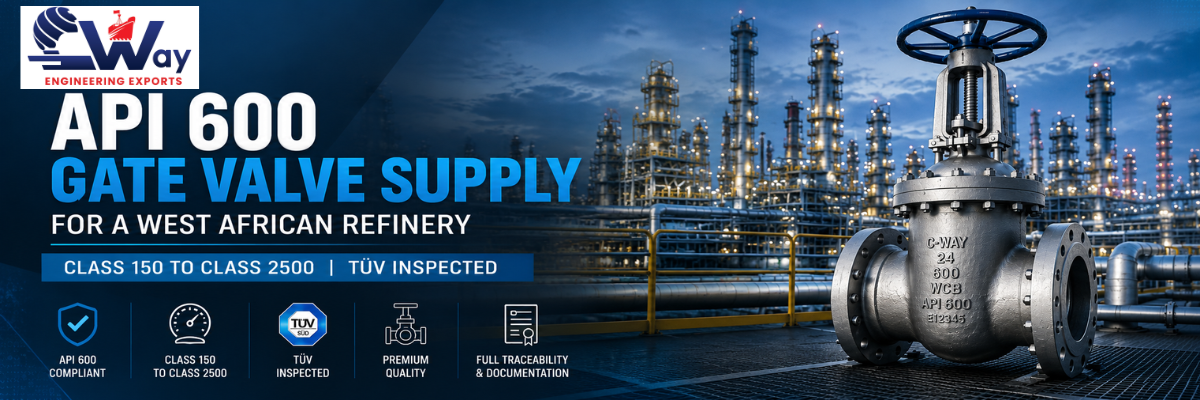
API 600 Gate Valve Supply for a West African Refinery: Class 150 to Class 2500 Valves Delivered with TÜV Third-Party Inspection
Project Summary
A West African refinery expansion project required 210 API 600 cast steel gate valves ranging from Class 150 to Class 2500 for hydrocarbon processing and utility systems. C-Way Engineering Exports supplied OS&Y rising stem gate valves with flexible wedge design, API 598 testing, and TÜV third-party inspection, ensuring reliable shutoff performance and compliance with refinery specifications.
Project Highlights
| Project Details |
Information |
| Industry | Oil & Gas Refinery |
| Project Location | West Africa |
| Product Supplied | API 600 Cast Steel Gate Valves |
| Pressure Classes | 150, 300, 600, 900, 1500 & 2500 |
| Valve Design | OS&Y Rising Stem, Flexible Wedge |
| Valve Sizes | 2” to 24” |
| End Connections | RF, RTJ & Butt Weld |
| Total Valves Supplied | 210 |
| Inspection Agency | TÜV Third-Party Inspection |
| Testing Standard | API 598 |
| Application | Hydrocarbon Processing & Utility Systems |
| Project Status | Successfully Delivered & Commissioned |
Confidentiality Notice: To protect client confidentiality, customer names and certain project details have been modified while maintaining the technical accuracy of the project.
Project Overview
As refinery operators across Africa continue investing in capacity expansion and infrastructure modernization, the demand for reliable isolation valves has become increasingly important. Modern refineries operate under challenging conditions involving high-pressure hydrocarbons, elevated temperatures, and strict safety requirements, making valve reliability a critical factor in overall plant performance.
A major refinery expansion project in West Africa required a complete range of API 600 Gate Valves for new process units, utility systems, and hydrocarbon transfer lines. The project formed part of a broader initiative to increase refining capacity, improve operational efficiency, and support the region’s growing energy demand.
Because these valves would be installed in critical refinery services, the EPC contractor and refinery engineering team required equipment that could provide dependable shutoff performance while meeting internationally recognized industry standards.
After a comprehensive technical evaluation, C-Way Engineering Exports was selected to manufacture and supply API 600 Cast Steel Gate Valves ranging from Class 150 to Class 2500 pressure ratings. In addition to stringent quality requirements, the project also mandated independent TÜV third-party inspection throughout the manufacturing and testing process.
The successful execution of this project demonstrates how engineered valve solutions, combined with strict quality control and international compliance, contribute to the safe and efficient operation of modern refinery facilities.

The Challenge
Refinery environments present some of the most demanding operating conditions encountered in the process industry.
Unlike conventional industrial applications, refinery valves are frequently exposed to high temperatures, fluctuating pressures, corrosive process media, and continuous operating cycles. Any valve failure can result in production losses, maintenance shutdowns, environmental risks, and significant operational costs.
For this project, the refinery engineering team identified several key challenges.
High-Pressure Hydrocarbon Service
Multiple process units required valves capable of operating in pressure classes ranging from ASME Class 150 to Class 2500. These valves would be responsible for isolating critical hydrocarbon streams where pressure containment and sealing performance are essential.
Elevated Operating Temperatures
Several process lines were designed for high-temperature service conditions commonly encountered in crude oil refining and hydrocarbon processing operations.
Long-Term Operational Reliability
The refinery required valves capable of delivering years of reliable service with minimal maintenance intervention. Equipment reliability was considered a major factor in achieving targeted plant availability.
Compliance with International Standards
All supplied valves were required to comply with API 600, API 598, ASME B16.34, ASME B16.10, and refinery-specific engineering specifications.
Independent Quality Verification
To ensure full compliance with project requirements, the client mandated TÜV third-party inspection covering manufacturing, testing, and final acceptance activities.
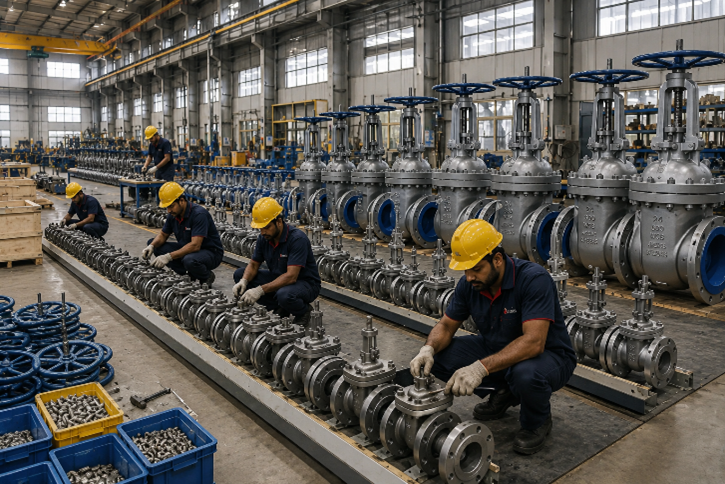
Why API 600 Gate Valves Were Selected
The engineering consultant evaluated several valve designs before selecting API 600 Cast Steel Gate Valves for the project.
API 600 is recognized worldwide as one of the most widely accepted standards for steel gate valves used in refinery, petrochemical, and oil & gas applications.
Several design features made these valves particularly suitable for refinery service.
OS&Y Rising Stem Design
Outside Screw and Yoke (OS&Y) construction provides a clear visual indication of valve position. Operators can easily determine whether the valve is open or closed, improving safety during plant operation and maintenance activities.
Flexible Wedge Construction
The flexible wedge design compensates for thermal expansion and contraction that may occur during startup, shutdown, and operating cycles. This design helps maintain reliable seating performance under varying process conditions.
Full Port Flow Path
A full-bore flow path minimizes pressure drop and allows unrestricted process flow, improving overall system efficiency.
Proven Refinery Performance
API 600 Gate Valves have a long history of successful application in crude oil processing, distillation units, utility systems, and hydrocarbon transfer lines worldwide.
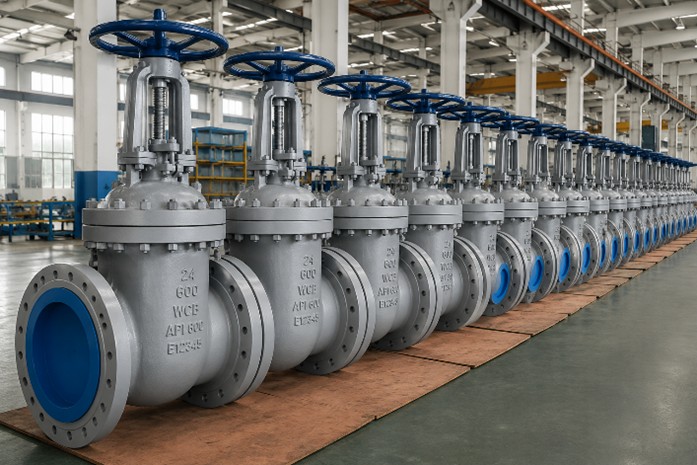
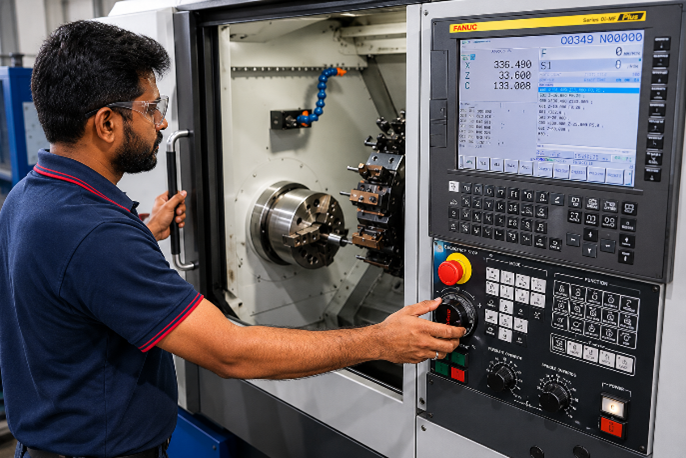
Precision machining and assembly of API 600 Gate Valves
Engineering the Valve Solution
Based on the refinery specifications, our engineering team developed a comprehensive valve package designed to meet both process requirements and project quality standards.
The supplied valves covered multiple pressure classes and material grades to suit various process conditions throughout the refinery.
Pressure Classes Supplied
- Class 150
- Class 300
- Class 600
- Class 900
- Class 1500
- Class 2500
Size Range
- 2” to 24”
Body Materials
- ASTM A216 WCB
- ASTM A217 WC6
- ASTM A217 WC9
- Stainless Steel Grades
The selection of body material was based on operating pressure, temperature, and process media requirements across different refinery units. Similar material selection considerations apply across industrial valve applications, where corrosion resistance, mechanical strength, and lifecycle cost must be evaluated carefully.
Corrosion-resistant materials such as stainless steel and duplex alloys are also widely used in demanding marine and shipbuilding applications where reliability under aggressive environments is essential.
End Connections
- Raised Face (RF)
- Ring Type Joint (RTJ)
- Butt Weld (BW)
Design Standards
- API 600
- ASME B16.34
- ASME B16.10
- ASME B16.5
Testing Standard
- API 598
The valves were allocated across various refinery applications including crude oil transfer systems, utility networks, storage facilities, and high-pressure hydrocarbon processing units.
Manufacturing and Quality Assurance
Because the supplied valves would be installed in critical refinery services, strict manufacturing controls were implemented throughout the project.
Material Traceability
Every pressure-containing component was manufactured using certified materials sourced from approved suppliers.
Complete traceability was maintained from raw material procurement through final assembly.
Casting Inspection
All castings underwent visual inspection, dimensional verification, and material certification review before entering production.
Precision Machining
Advanced CNC machining equipment was utilized to ensure dimensional accuracy and achieve high-quality sealing surfaces.
Critical areas such as seat rings, stem interfaces, and pressure-retaining components were machined according to stringent engineering tolerances.
Assembly Procedures
Experienced technicians assembled each valve according to documented quality procedures and approved manufacturing plans.
Each assembly stage included inspection checkpoints to verify compliance with project specifications.
TÜV Third-Party Inspection
One of the most important aspects of this project was the requirement for independent TÜV third-party inspection.
Throughout manufacturing, TÜV inspectors reviewed production records, witnessed testing activities, and verified compliance with the approved quality plan.
The inspection program included:
Material Verification
Review of material certificates and traceability documentation.
Dimensional Inspection
Verification of critical dimensions against approved drawings and specifications.
Non-Destructive Examination
Depending on project requirements, inspections included:
- Ultrasonic Testing (UT)
- Magnetic Particle Testing (MT)
- Liquid Penetrant Testing (PT)
- Radiographic Testing (RT)
Hydrostatic Testing
Every valve underwent shell testing in accordance with API 598 requirements.
Seat Leakage Testing
Each valve was tested to verify shutoff performance and sealing integrity.
Final Inspection
Completed valves underwent visual inspection and documentation review prior to shipment approval.
The successful completion of TÜV inspections provided additional confidence to both the refinery owner and EPC contractor.
Documentation Package
The refinery required a complete quality dossier for each supplied valve.
The final documentation package included:
- Material Test Certificates (MTC)
- Hydrostatic Test Reports
- Inspection Reports
- NDT Reports
- Dimensional Inspection Records
- TÜV Inspection Certificates
- Compliance Certificates
- Quality Dossiers
- Packing Lists
This documentation ensured full traceability and compliance with refinery procuremen t requirements.
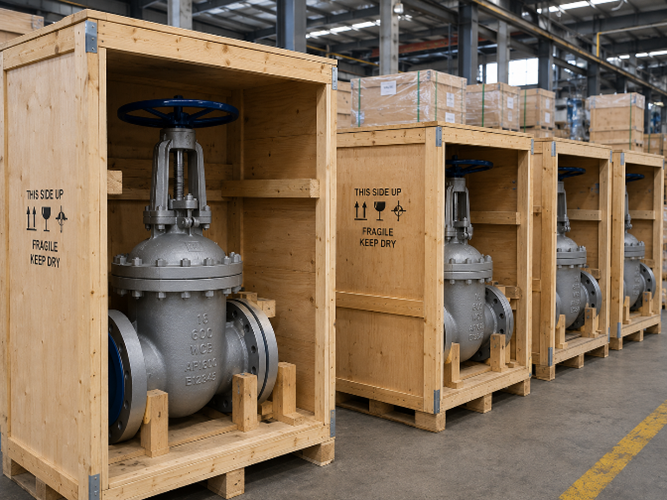
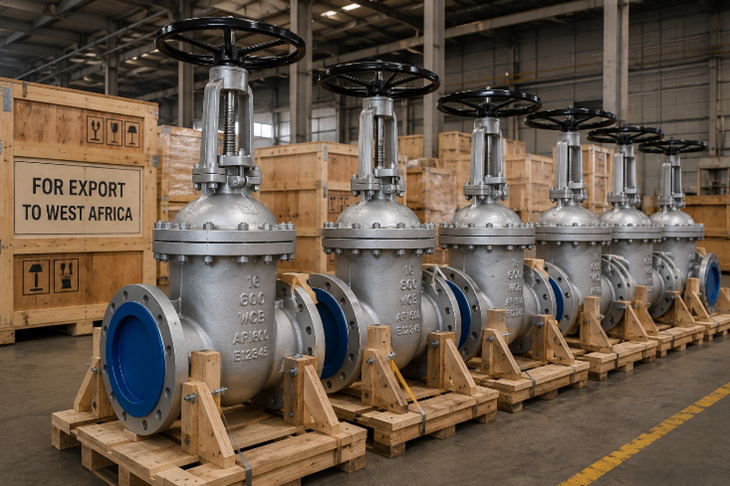
Shipment for West Africa refinery
Delivery and Project Execution
Meeting the project schedule was critical to maintaining overall refinery construction timelines.
Close coordination between the EPC contractor, refinery owner, quality inspectors, and logistics teams enabled manufacturing, inspection, and shipment activities to proceed according to plan.
Following successful completion of manufacturing and inspection activities, the valves were exported to West Africa and delivered to the project site within the required timeframe.
Upon arrival, the valves underwent site verification before being installed in designated refinery process units.
Results Achieved
The project was completed successfully, with all supplied API 600 Gate Valves passing inspection, testing, and commissioning requirements.
Key project outcomes included:
- Successful supply of API 600 Gate Valves from Class 150 to Class 2500
- 100% API 598 hydrostatic and seat leakage testing completed
- TÜV third-party inspection successfully completed
- Full compliance with refinery specifications
- On-time delivery supporting EPC construction schedules
- Reliable shutoff performance during commissioning
- Successful integration into refinery process systems
The project demonstrated the importance of combining engineering expertise, quality manufacturing, and rigorous inspection procedures when supplying critical refinery equipment.
Customer Feedback
— EPC Project Head
“For a refinery project of this scale, equipment quality and documentation are just as important as technical compliance. The API 600 Gate Valves supplied for this project met our specifications and inspection requirements. The TÜV inspection process was handled professionally, and the manufacturer C-Way Engineering Exports maintained excellent communication throughout production. Delivery was completed according to schedule, helping us maintain critical project milestones.”
Michael Anderson
Project Director – EPC Division
West African Refinery Expansion Project
Senior Refinery Operations Officer
“Reliable isolation valves are essential to refinery safety and operational efficiency. The supplied API 600 Gate Valves demonstrated excellent manufacturing quality, testing compliance, and overall performance during commissioning. The comprehensive documentation package and successful TÜV inspection gave us confidence in the equipment from the beginning of the project.”
— David Thompson
Senior Operations Manager
West African Refinery
Why API 600 Gate Valves Are Preferred in Refineries
API 600 gate valves remain the industry standard for refinery isolation service because they provide reliable shutoff performance, full-port flow characteristics, and long-term durability under high-pressure and high-temperature operating conditions.
Key benefits include:
- Compliance with international refinery specifications
- OS&Y rising stem design for clear valve position indication
- Flexible wedge construction for thermal expansion compensation
- Excellent sealing performance in hydrocarbon service
- Proven reliability in crude oil, utility, and process systems
These characteristics make API 600 gate valves one of the most widely specified isolation valves in refineries, petrochemical plants, and oil & gas facilities worldwide.
Conclusion
The successful supply of API 600 Gate Valves ranging from Class 150 to Class 2500 for this West African refinery project highlights the critical role that high-quality isolation valves play in modern refinery operations.
Through strict manufacturing controls, comprehensive testing, complete documentation, and TÜV third-party inspection, C-Way Engineering Exports delivered a valve solution that met the demanding requirements of a major refinery expansion project.
The project stands as a strong example of how engineering expertise, international standards compliance, and quality-focused manufacturing contribute to safe, reliable, and efficient refinery operations across the global oil and gas industry.


