


Butterfly Valve Material Comparison: Ductile Iron vs WCB vs Stainless Steel (Pressure, Corrosion & Cost)
Choosing the right material for a butterfly valve is one of the most important decisions in any piping system. The material you select directly affects performance, service life, maintenance requirements, and overall cost.
Across industries such as water treatment, oil & gas, chemical processing, and HVAC, each application demands a different balance of strength, corrosion resistance, and budget.
In this blog, we’ll compare three widely used materials, Ductile Iron (DI), WCB (Carbon Steel), and Stainless Steel (SS304/SS316) to help you select the most suitable option for your application.
Why Material Selection Matters
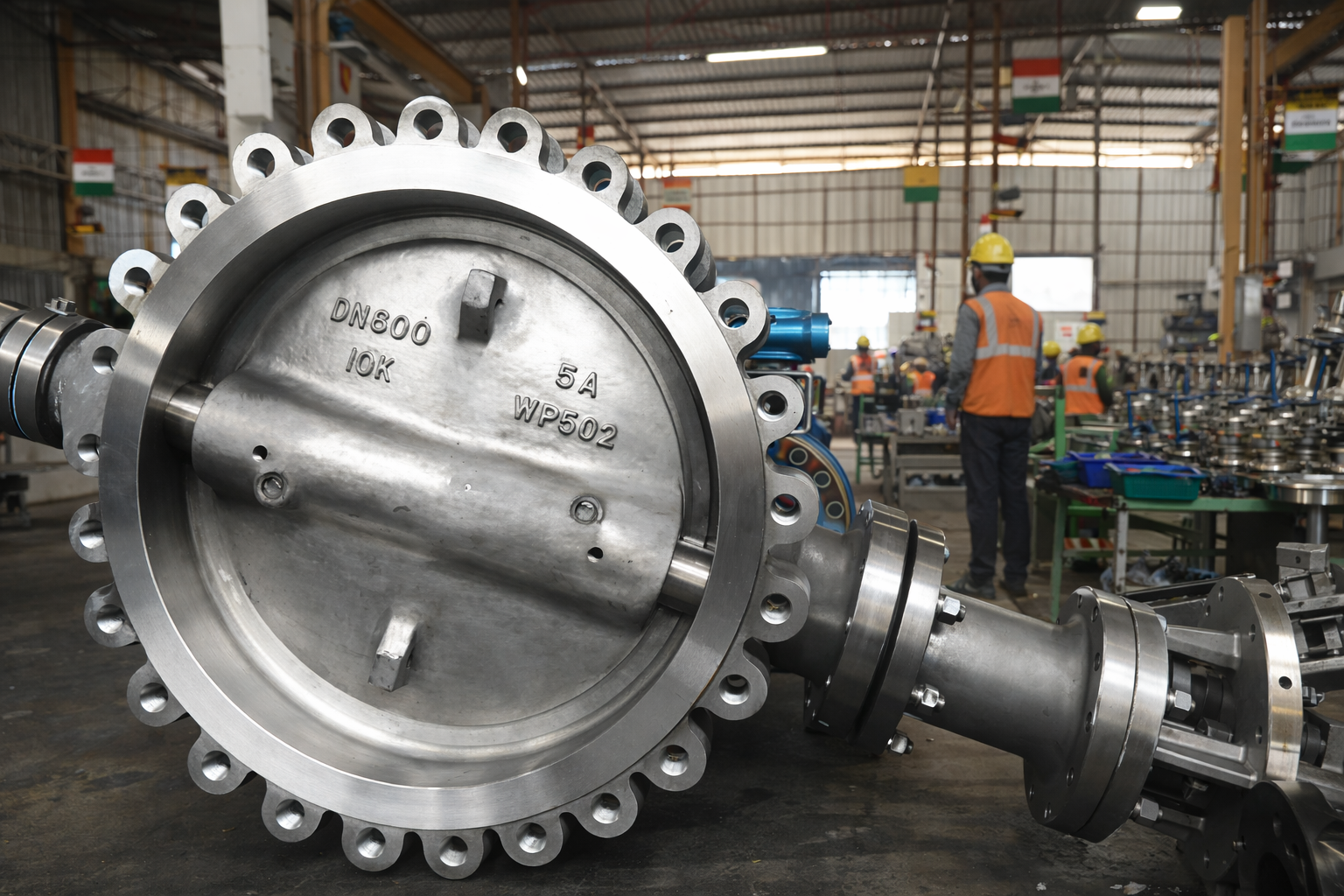
A butterfly valve may look simple, but its performance depends heavily on the material used. The right choice ensures reliability, while the wrong one can lead to early failure.
Here are the key factors influenced by material:
- Pressure Handling – Ability to withstand system pressure
- Corrosion Resistance – Compatibility with the process fluid
- Temperature Capability – Performance under thermal conditions
- Mechanical Strength – Structural integrity over time
- Cost Efficiency – Initial investment vs long-term value
A well-matched material can significantly extend valve life and reduce maintenance.
Overview of Common Materials
Material selection also affects operating torque and actuator sizing.
To understand this in detail, refer to our butterfly valve torque calculation and actuator sizing guide
Before going into comparison, here’s a quick overview:
- Ductile Iron (DI): A cost-effective material commonly used in water systems
- WCB (Carbon Steel): Known for strength and suitability in high-pressure applications
- Stainless Steel (SS304 / SS316): Offers excellent corrosion resistance for demanding environments
Quick Comparison
| Property | Ductile Iron (DI) | WCB (Carbon Steel) | Stainless Steel (SS316) |
| Strength | Medium | High | High |
| Corrosion Resistance | Low–Moderate | Low | Excellent |
| Pressure Rating | PN10 / PN16 | Class 150–300 | Class 150–600 |
| Temperature Range | Moderate | High | High |
| Cost | Low | Medium | High |
| Typical Use | Water systems | Oil & gas | Chemical processing |
Ductile Iron Butterfly Valve (DI)
Key Features
Ductile iron offers improved strength compared to traditional cast iron and is widely used in standard pressure systems.
Advantages
- Economical solution
- Lightweight and easy to install
- Suitable for large diameter pipelines
Limitations
- Limited corrosion resistance butterfly valve
- Not ideal for aggressive chemicals or high temperatures
Typical Applications
- Water distribution
- Irrigation systems
- HVAC networks
WCB / Carbon Steel Butterfly Valve
Key Features
WCB (ASTM A216 Grade WCB) provides excellent mechanical strength and is suitable for demanding operating conditions.
Advantages
- Handles high pressure and temperature
- Durable in industrial environments
- Suitable for steam and hydrocarbon services
Limitations
- Requires coatings or linings for corrosion protection
- Not recommended for seawater applications
Typical Applications
- Oil & gas pipelines
- Steam systems
- Petrochemical plants
Stainless Steel Butterfly Valve (SS304 / SS316)
Key Features
Stainless steel, especially SS316, offers superior corrosion resistance due to the presence of molybdenum.
Advantages
- Excellent resistance to chemicals and corrosion
- Long service life
- Hygienic and suitable for clean applications
Limitations
- Higher initial cost
- May be unnecessary for non-corrosive environments
Typical Applications
- Chemical processing
- Pharmaceutical industry
- Food & beverage systems
Which Butterfly Valve Type is Suitable for Each Material?
Industrial Butterfly Valve material selection works together with valve design. Below is a practical guide:
Wafer Type Butterfly Valve
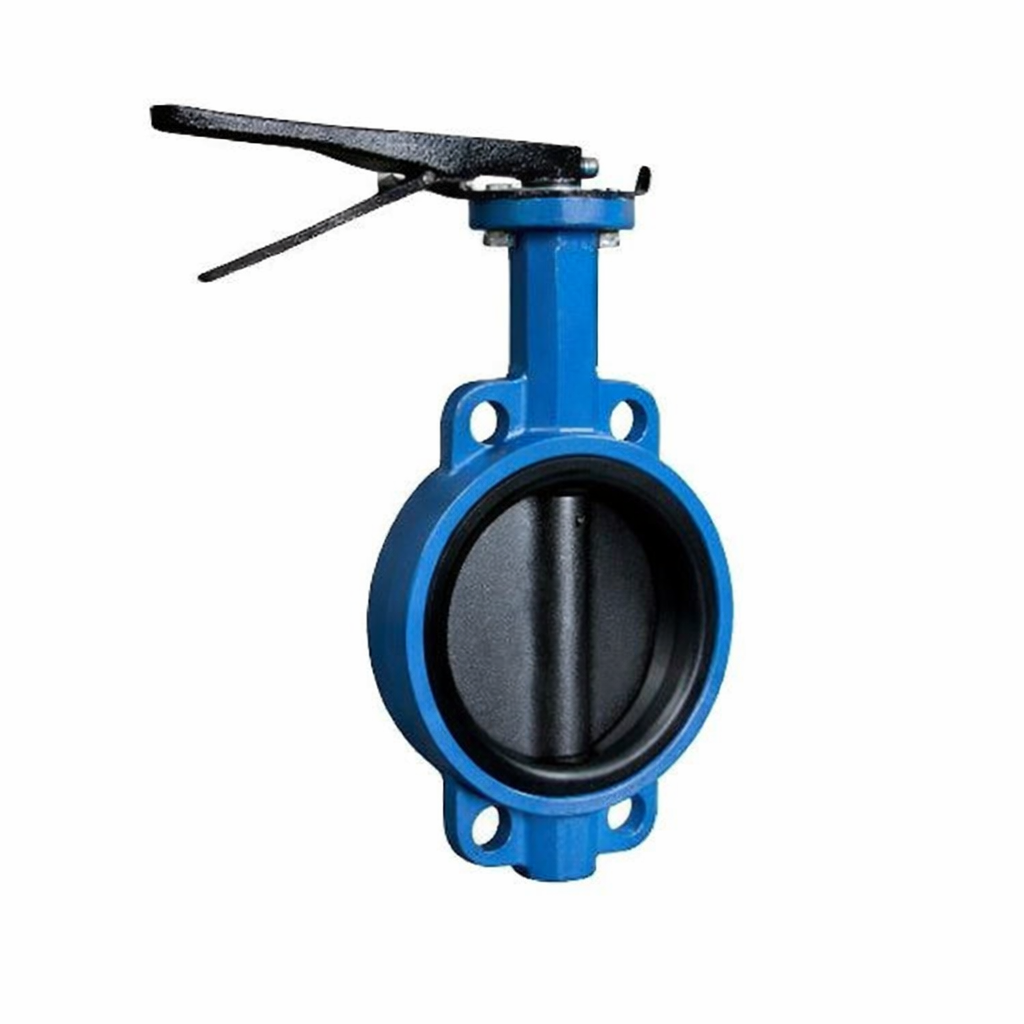
- Best suited materials: Ductile Iron, Stainless Steel
- Use case: Compact systems with moderate pressure
- Note: Cost-effective and space-saving design
Lug Type Butterfly Valve
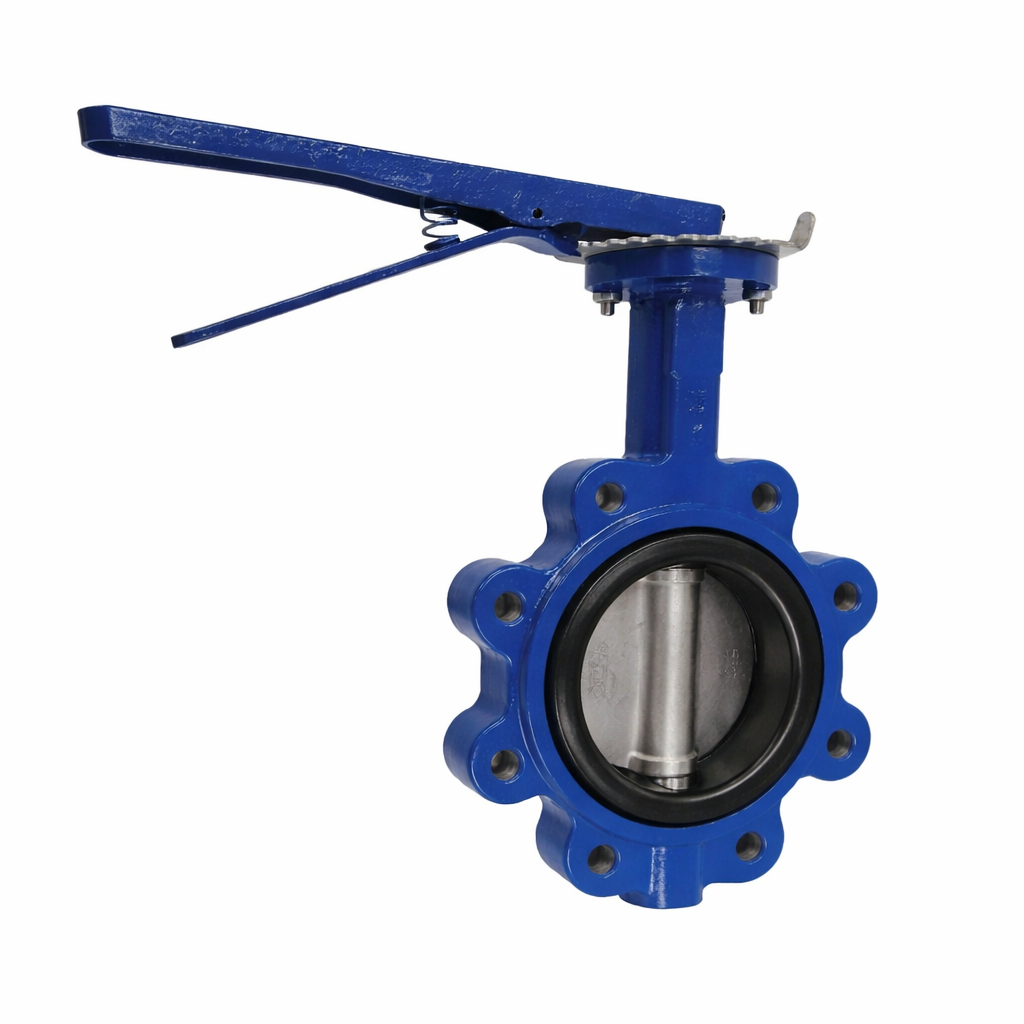
- Best suited materials: Ductile Iron, WCB, Stainless Steel
- Use case: Systems requiring end-of-line service
- Advantage: Easier maintenance and flexibility
Double Flanged Butterfly Valve
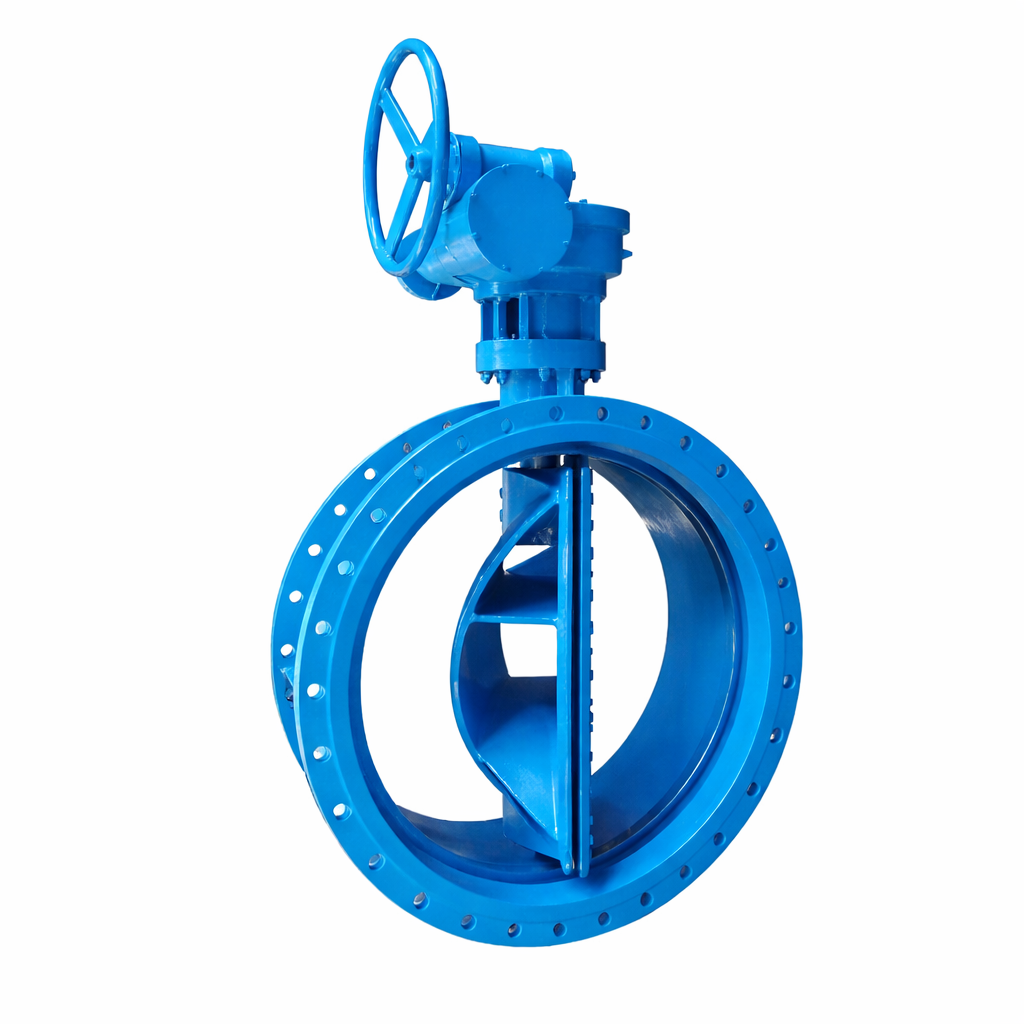
- Best suited materials: Ductile Iron, WCB, SS316, Duplex
- Use case: High-pressure and large-diameter pipelines
- Advantage: Strong, stable, and reliable installation
How to Choose the Right Material
A simple step-by-step approach can make selection easier:
- Step 1: Identify the fluid
- Water → Ductile Iron
- Oil / Steam → WCB
- Chemicals → Stainless Steel
- Step 2: Check pressure and temperature
- Higher values → WCB or Stainless Steel
- Step 3: Evaluate corrosion risk
- High corrosion → Stainless Steel
- Step 4: Consider budget
- Balance cost with performance requirements
Common Selection Mistakes
Avoid these common issues:
- Using ductile iron in corrosive environments
- Selecting carbon steel for seawater applications
- Ignoring temperature limits
- Over-specifying stainless steel unnecessarily
A balanced selection ensures both performance and cost efficiency
Need Higher Corrosion Resistance? Advanced Material Options
Duplex & Super Duplex Stainless Steel
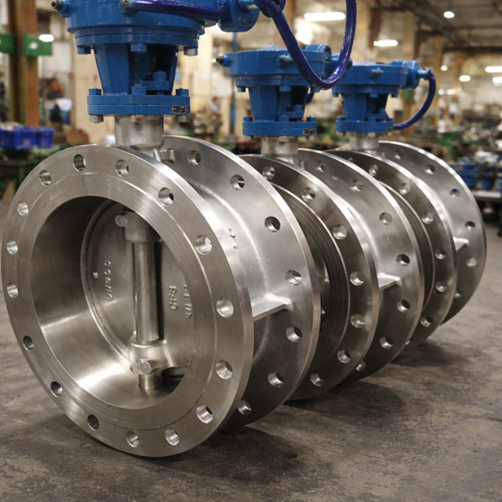
- Ideal for seawater and offshore applications
- High strength and excellent chloride resistance
- Long service life in aggressive environments
Aluminium Bronze Butterfly Valves
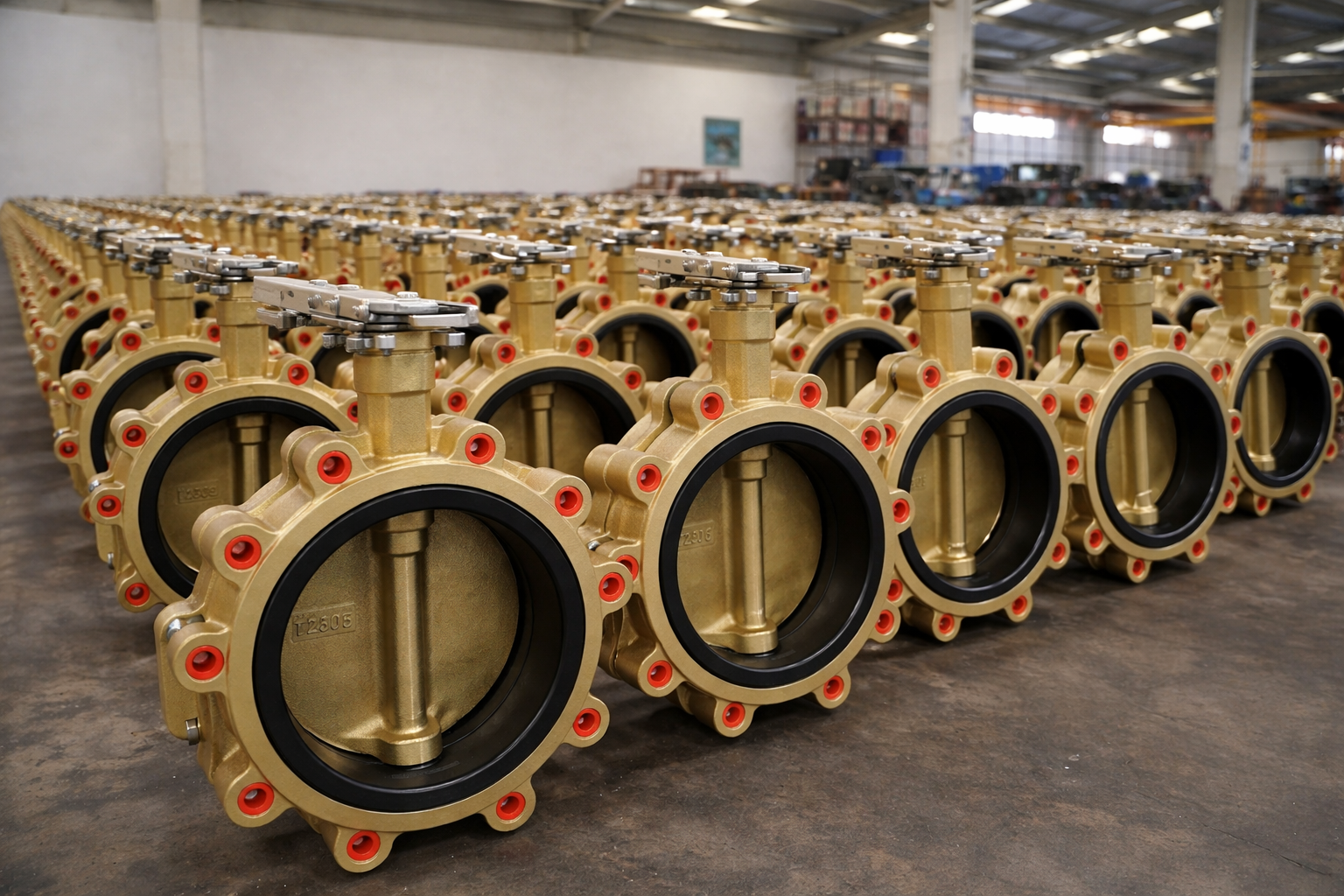
- Suitable for marine and coastal systems
- Good corrosion resistance with anti-fouling properties
- Widely used in shipbuilding
For highly corrosive or demanding conditions, upgrading to advanced materials such as Duplex or Bronze can significantly improve reliability and reduce maintenance.
Each material serves a specific purpose:
- Ductile Iron (DI) → Best for water and cost-sensitive applications
- WCB (Carbon Steel) → Ideal for strength, pressure, and temperature
- Stainless Steel (SS316) → Preferred for corrosive and critical environments
Selecting the right material ensures efficient operation, longer service life, and reduced lifecycle costs.
Need Assistance?
If you’re selecting a butterfly valve for a specific application, it’s always helpful to evaluate all operating conditions carefully. A well-matched combination of material, pressure rating, and valve type can make a significant difference in performance and reliability.
FAQ
1. What is the best material for a butterfly valve?
2. When should I choose stainless steel butterfly valves?
3. What is the difference between WCB and ductile iron butterfly valves?
4. Which butterfly valve is best for marine and shipbuilding applications?
We offer butterfly valves specifically designed for marine applications, including bronze and duplex material options, ensuring long service life and reliable performance in seawater systems
5. What is the difference between wafer, lug, and double flanged butterfly valves?


